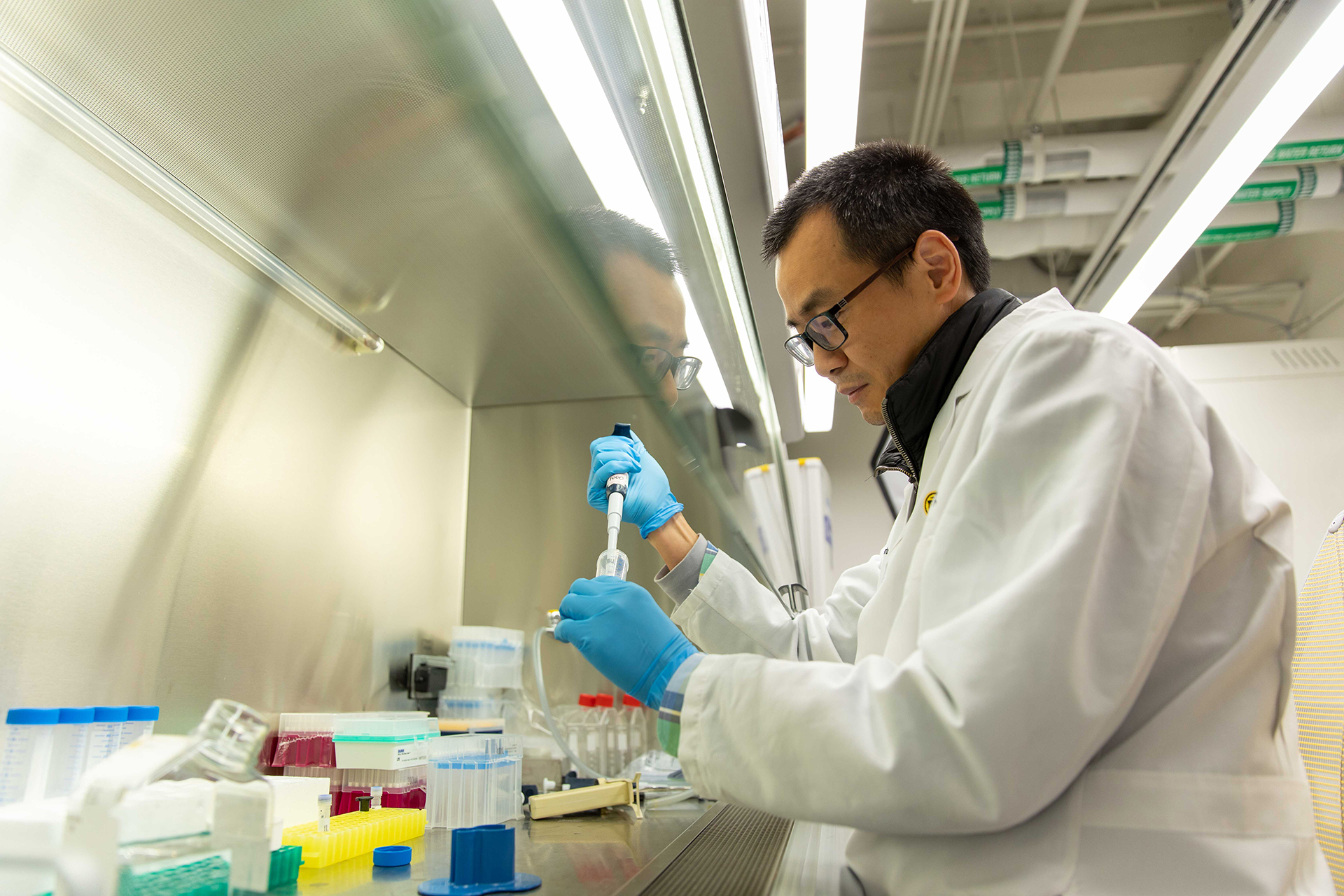
Unlimited possibilities to boost your biomedical career
M.S. programs at VCU
Supportive Mentorship.
Professional Development.
Cutting-edge Research.
Whether your career aspirations lie in health care, biotechnology, or academic or governmental research, VCU's School of Medicine has the expertise and support to help get you there.
Why VCU biomedical sciences M.S.?
At VCU School of Medicine, we offer a wide range of master's degree programs and research training opportunities that aim to challenge you academically, professionally and personally, and help set you on the path to achieving your career goals. Through our highly individualized training programs, expert faculty mentorship, and outstanding student support, we set our students up for success in their chosen fields.
Unrivaled research and discovery
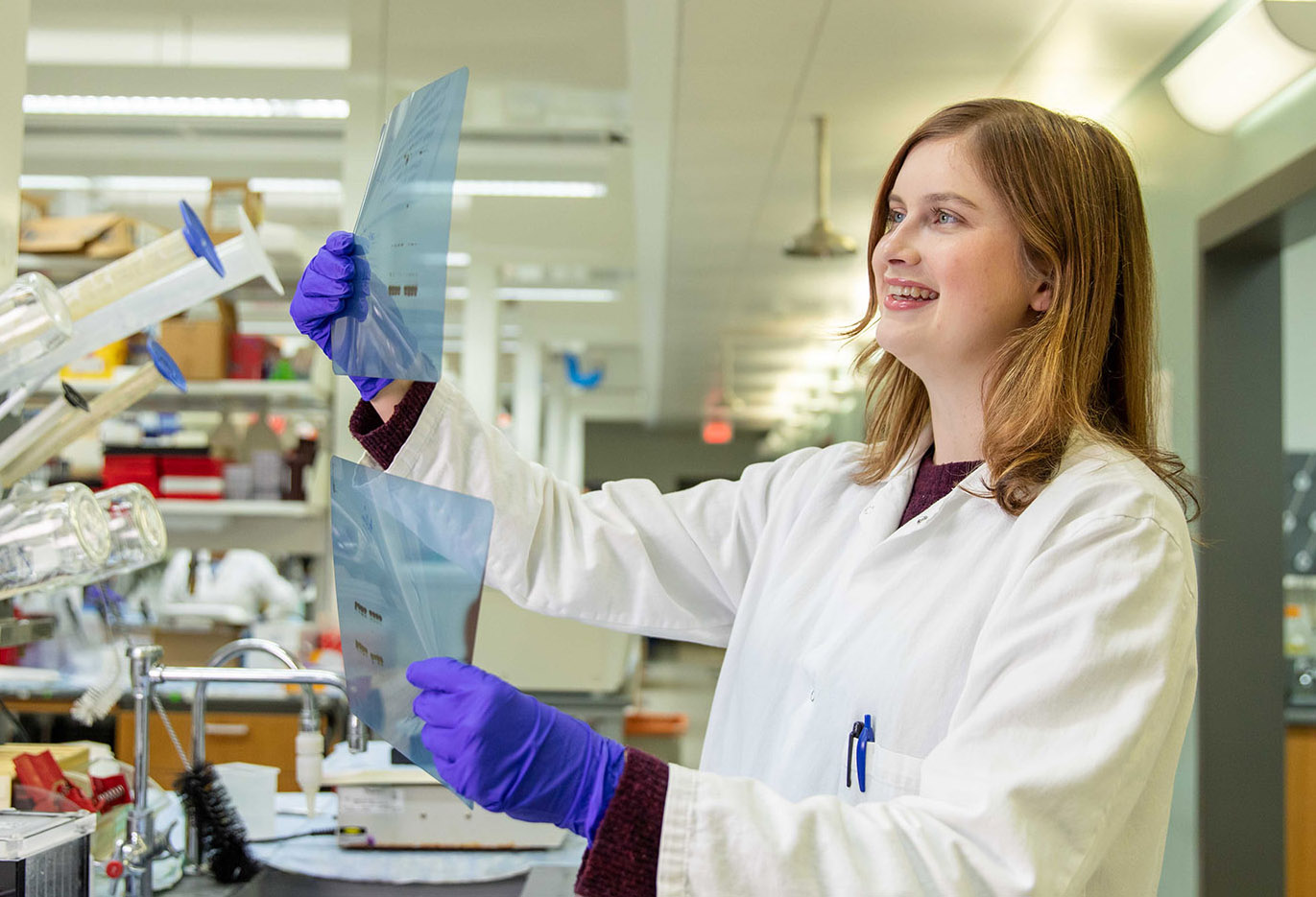
Our graduate programs are built on a foundation of cutting-edge, innovative research. Students are immersed in an environment where curiosity drives discovery, working alongside internationally-recognized faculty, who are leaders in fields ranging from basic science to translational medicine. Here, you'll gain hands-on experience using state-of-the-art technology and contributing meaningfully to projects that are directly shaping the future of human health and disease treatment. Our goal is to turn every student's scientific ambition into real-world impact.
Unwavering mentorship and guidance
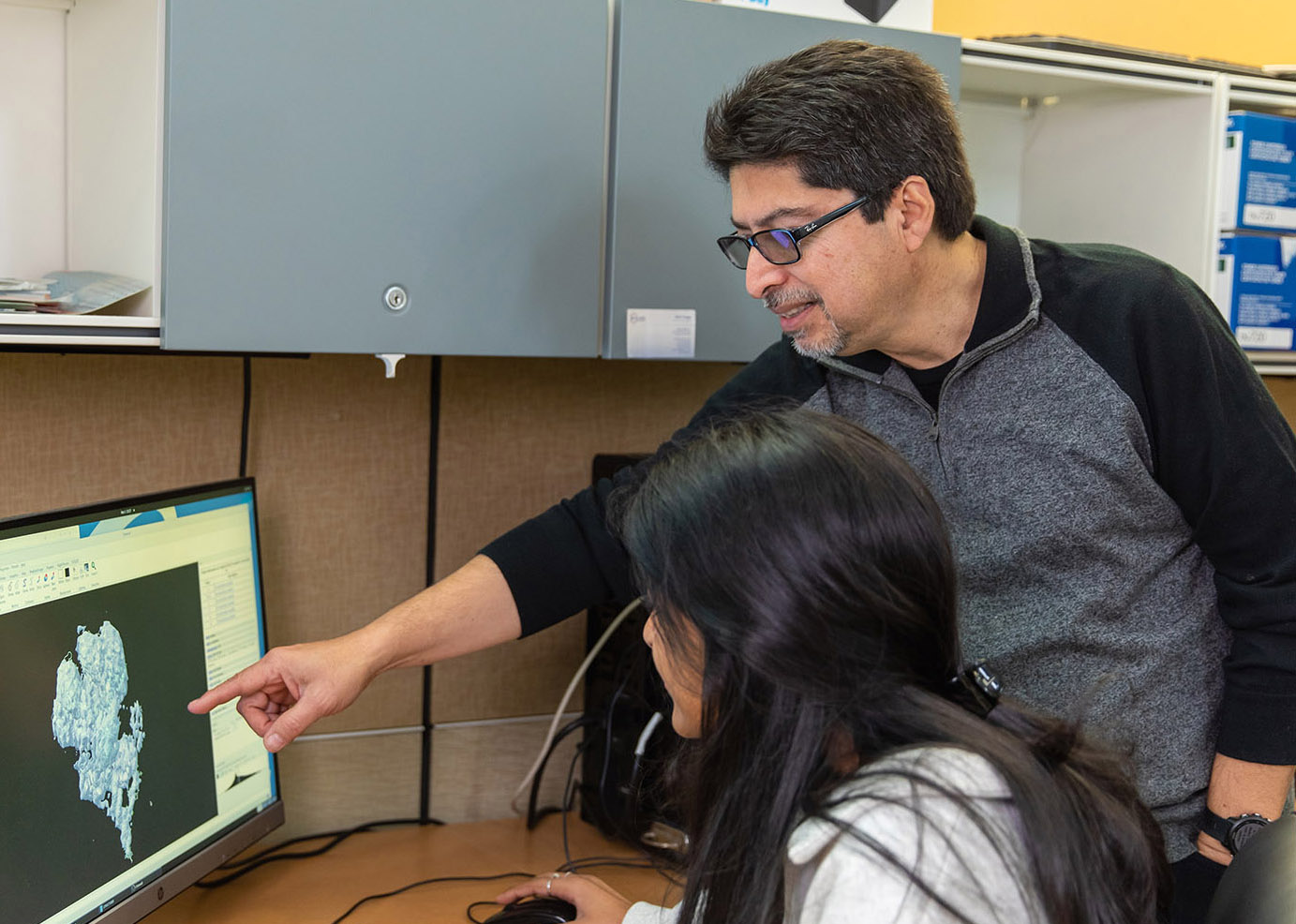
We recognize that outstanding science requires outstanding leadership. Our mentorship model is designed to be highly personalized and supportive to each student's interests and goals. Here, you'll be matched with faculty mentors who are not just experts in their disciplines, but who are genuinely invested in your success, professional development, and career trajectory. This close relationship goes beyond the lab, offering coaching on oral presentations, publishing, and networking to ensure you emerge as a skilled, confident leader, well prepared for a variety of bioscience careers.
Uncommon student experience
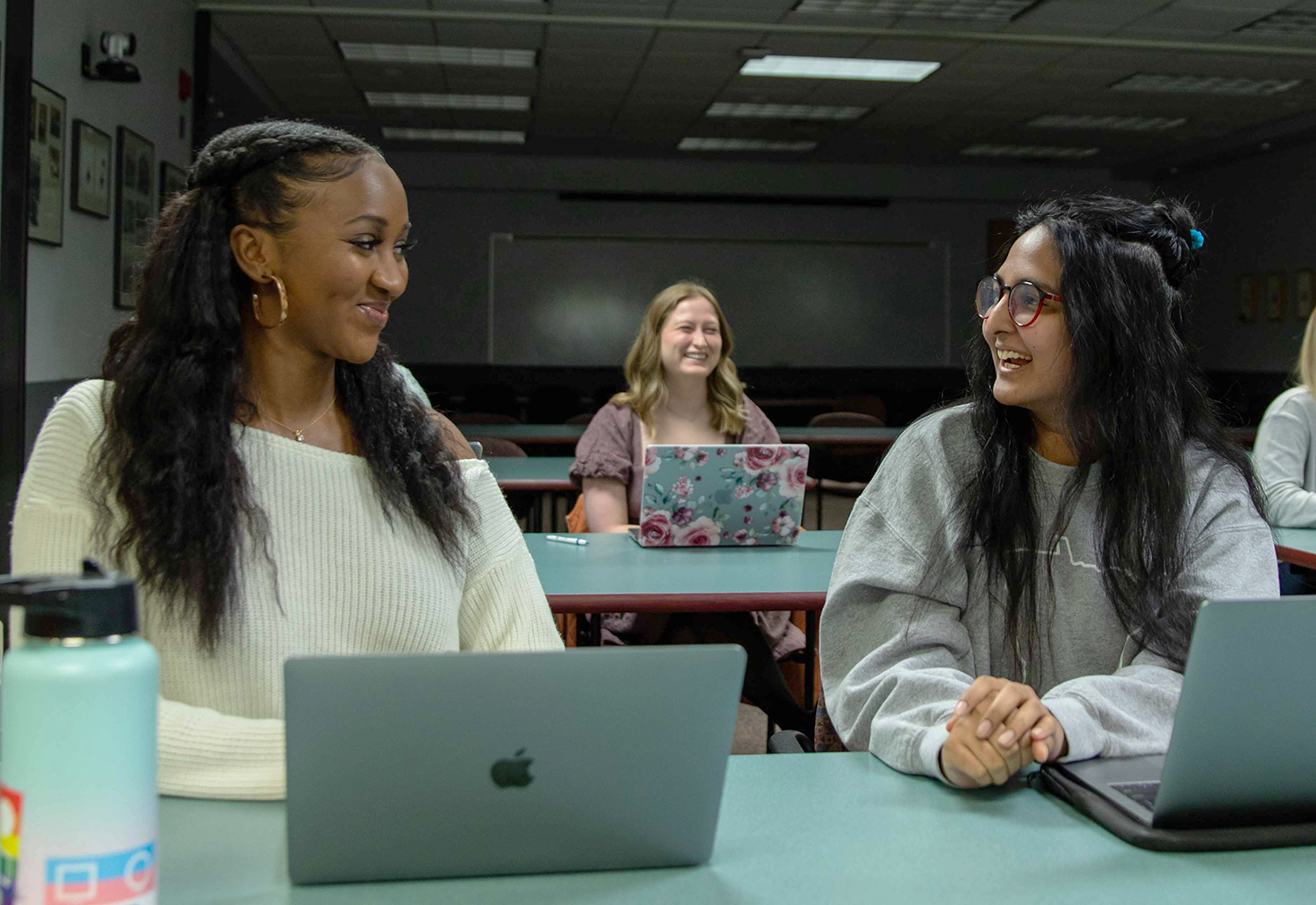
Graduate school is about more than just working through experiments and completing class work— it's about being a part of a vibrant and scholarly community. Our students thrive in a stimulating and diverse atmosphere that balances rigorous academic pursuits with a rich, inclusive social life. Through dedicated student organizations, professional workshops, and wellness initiatives, we offer a wide range of resources and opportunities to support your well-being holistically and create a collaborative, exciting, and fulfilling academic journey.
Ready to get started?
Hover over a program or topic to see its connections.
Unrivaled career options for M.S. Graduates
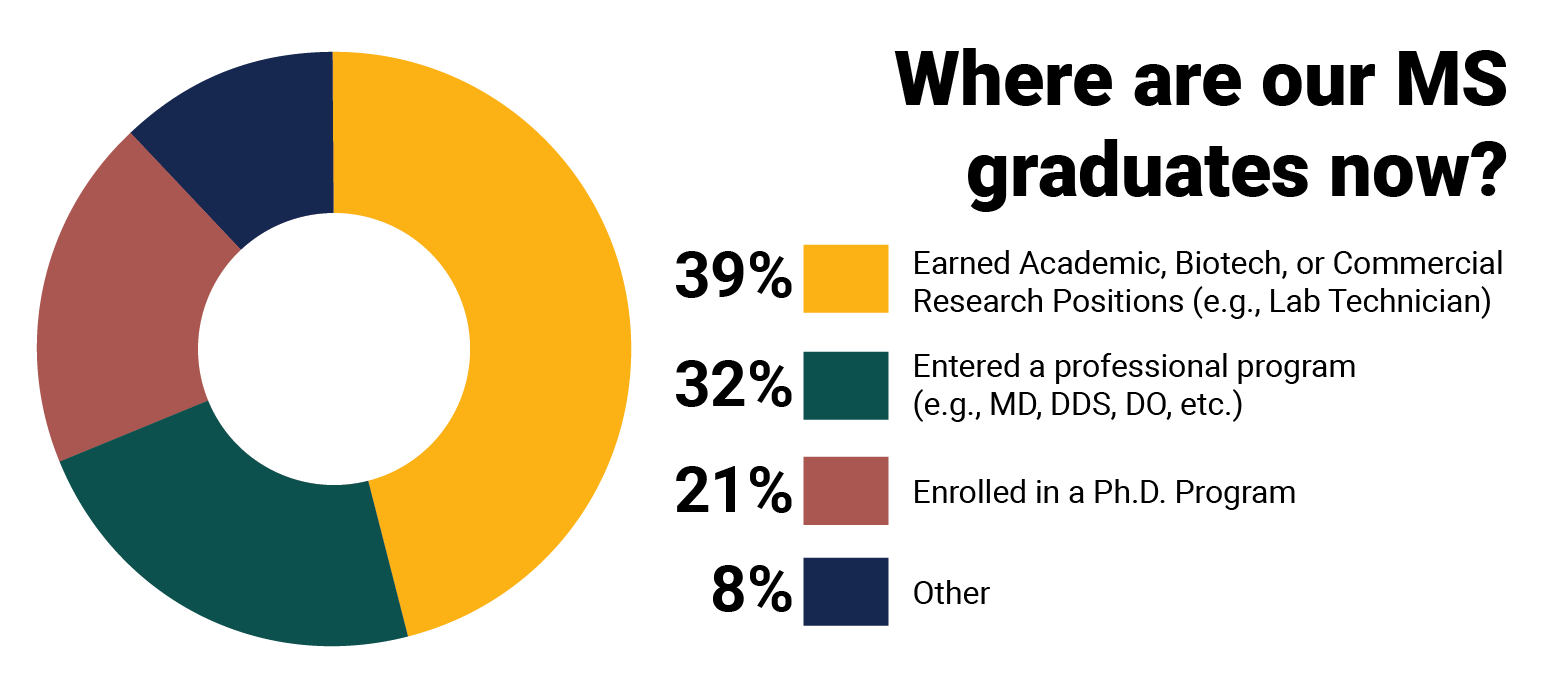
Envision yourself here!
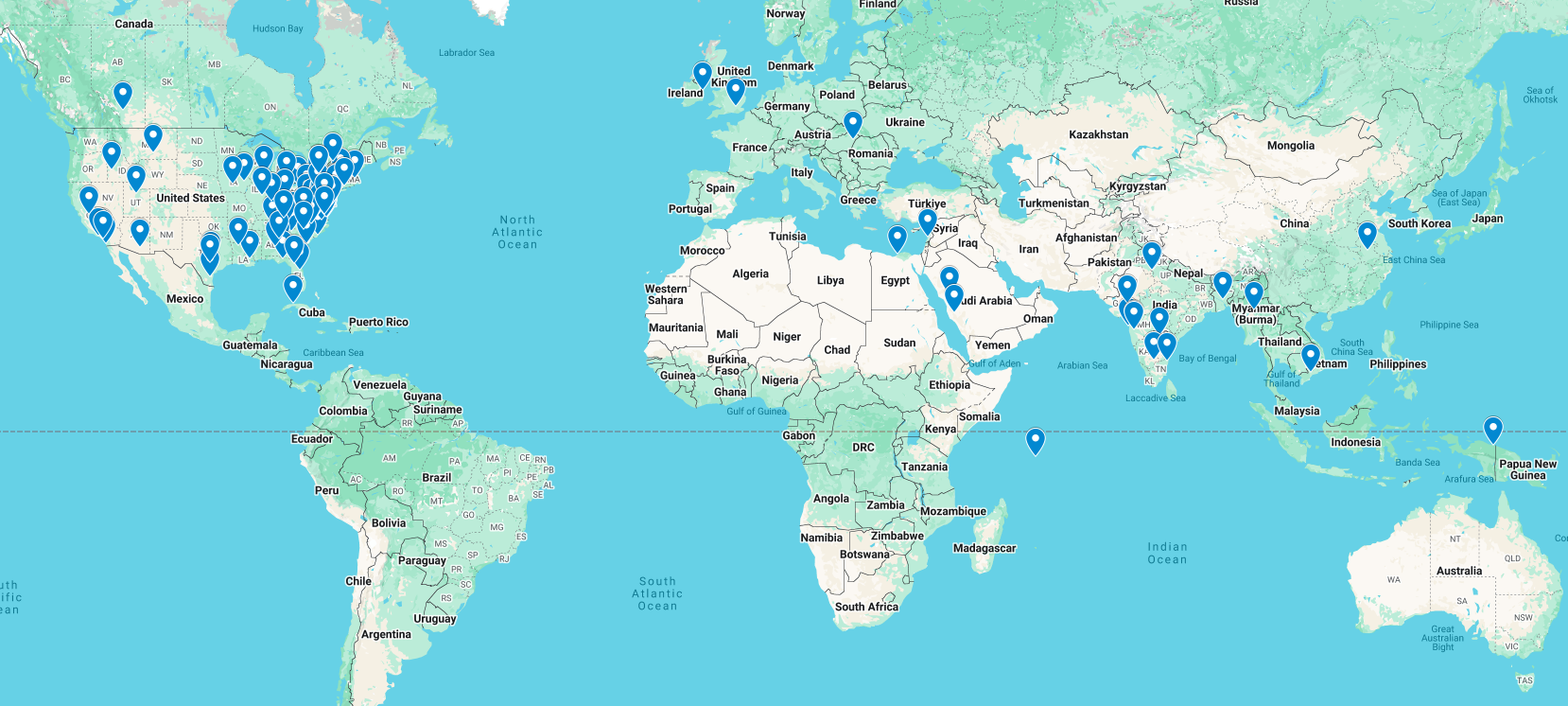
Our students join us from across the globe.
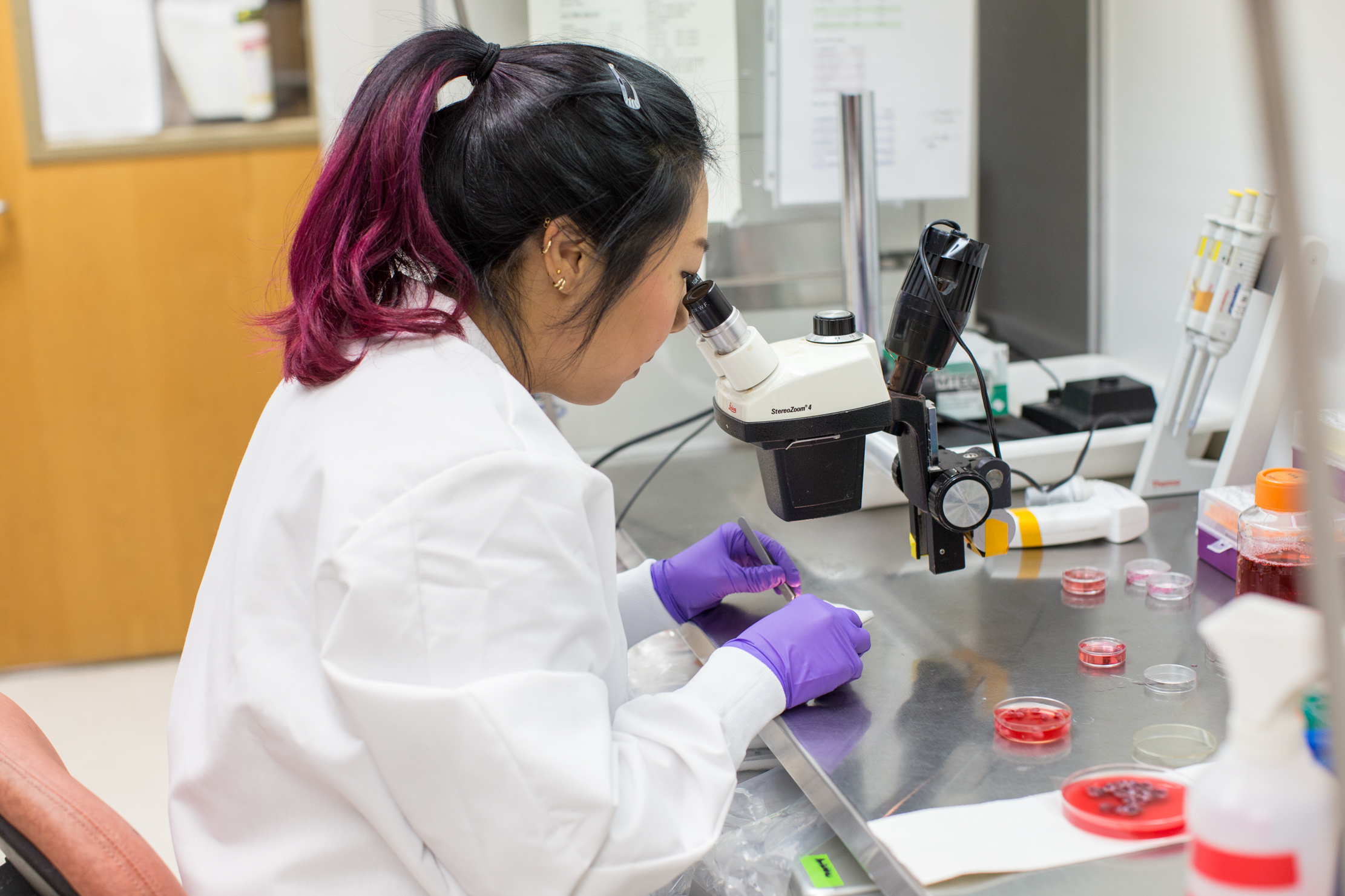
M.S. in Anatomy & Neurobiology
In this program, our students investigate the structure and function of the nervous system through research in glial cell biology, neural plasticity, injury and repair, and drug abuse and mental health. Students use techniques such as electrophysiology, molecular imaging, and genetic manipulation to study topics like memory formation, neurodevelopmental disorders, and neurodegeneration.
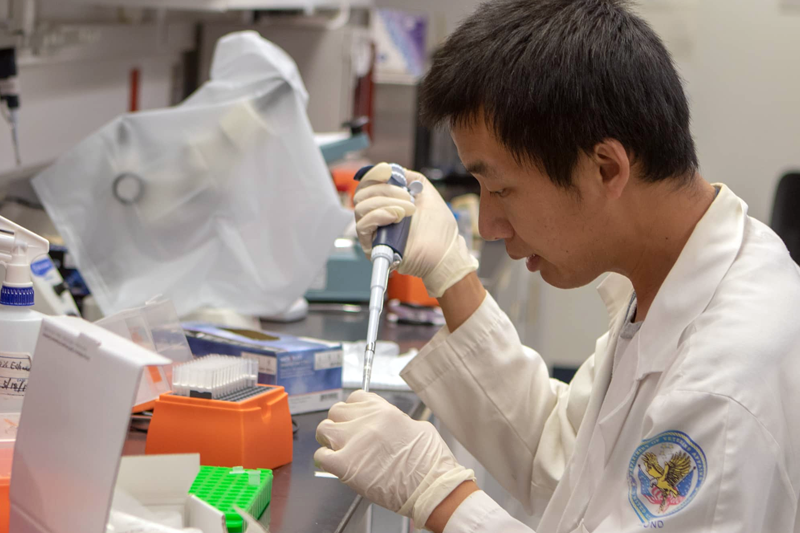
M.S. in Biochemistry
In this program, our students conduct original research in areas such as lipid signaling and metabolism, cancer biology, structural biology, and molecular genetics. Working closely with faculty mentors, students use advanced techniques in enzymology, genomics, proteomics, and lipidomics to explore the molecular mechanisms that drive health and disease.
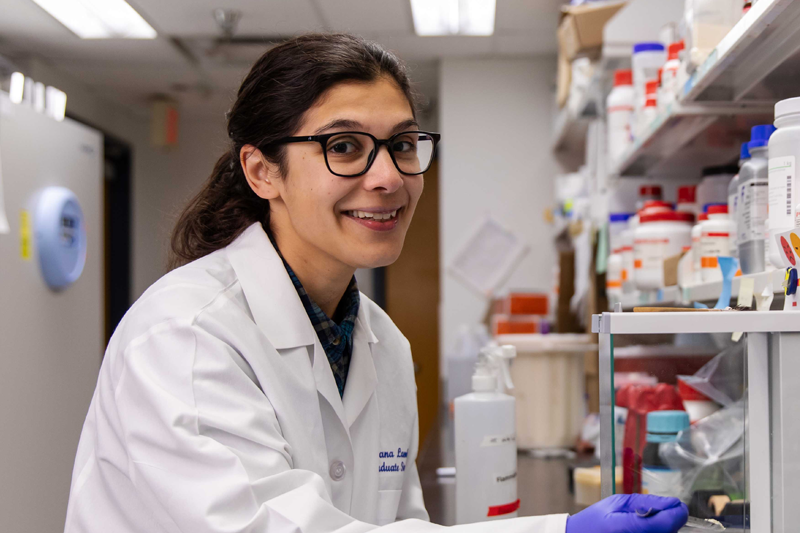
M.S. in Human Genetics
In this program, our students explore the genetic basis of human health and disease through research in cancer genetics, developmental genetics, psychiatric and behavioral genetics, and genomic data science. Students gain experience in cytogenetics, molecular genetics, and statistical genetics, and many choose to focus on translational research that bridges laboratory discoveries with clinical applications.
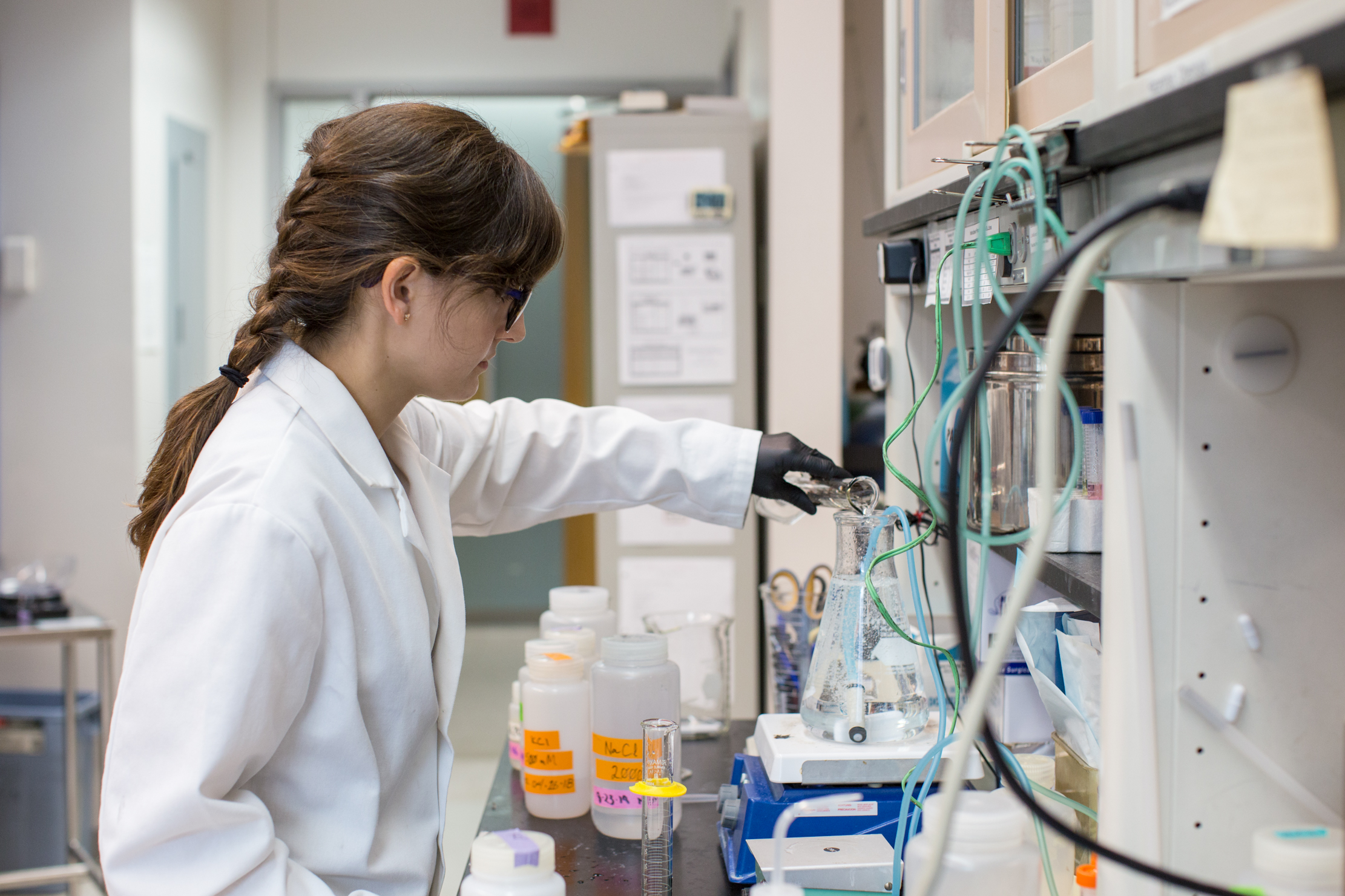
M.S. in Microbiology & Immunology
In this program, our students engage in research on microbial pathogenesis, cancer immunology, and immunotherapy, using tools from genomics, molecular biology, and translational science. Students work in labs focused on understanding how pathogens cause disease, how the immune system responds, and how these insights can lead to new treatments.
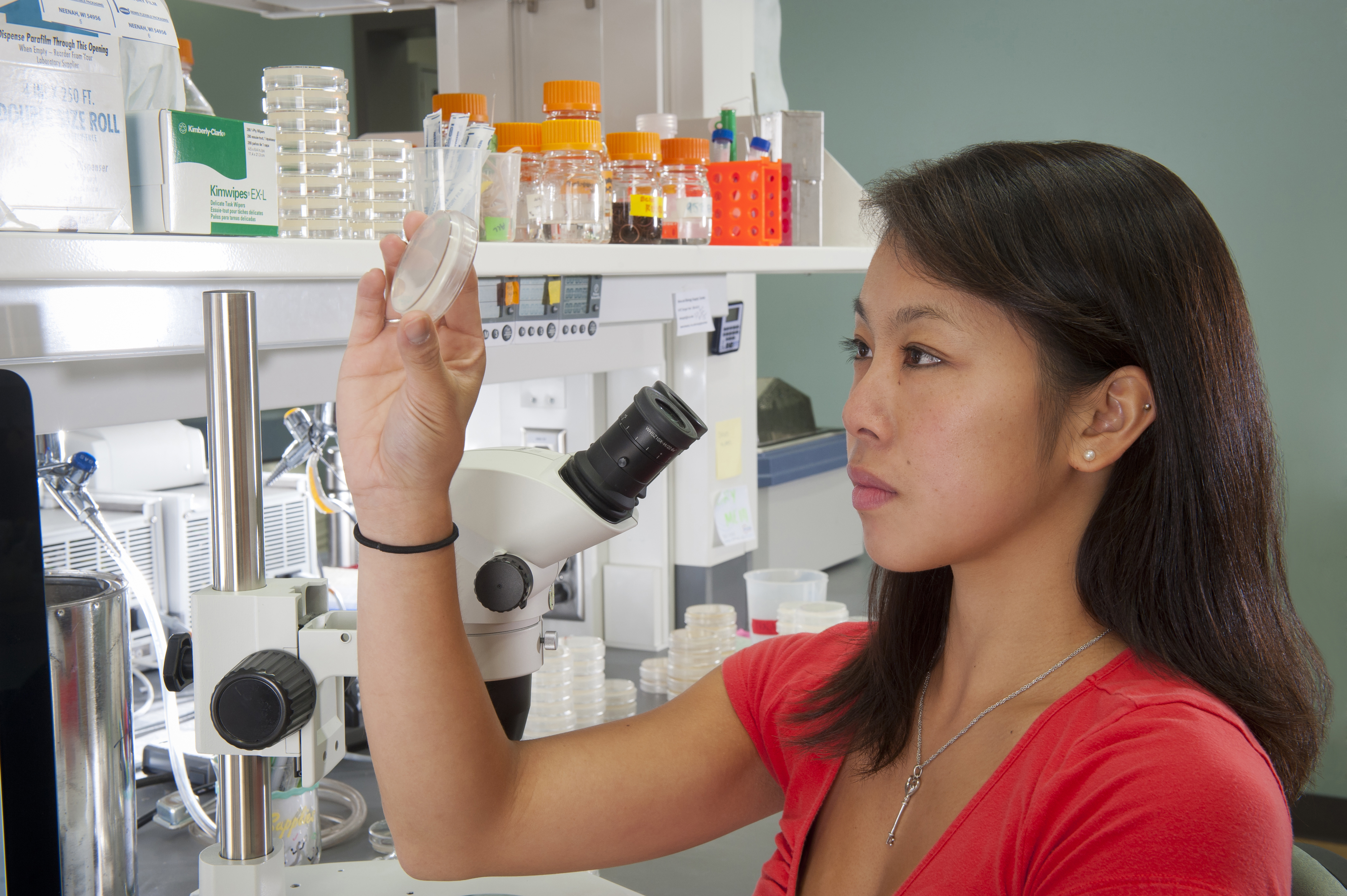
M.S. in Pharmacology & Toxicology
In this program, our students study how drugs and toxins affect biological systems, with research areas including neuropharmacology, cardiovascular pharmacology, cancer therapeutics, and gastrointestinal pharmacology. Students use techniques in behavioral pharmacology, molecular biology, and toxicological testing to explore mechanisms of drug action and develop safer, more effective therapies.
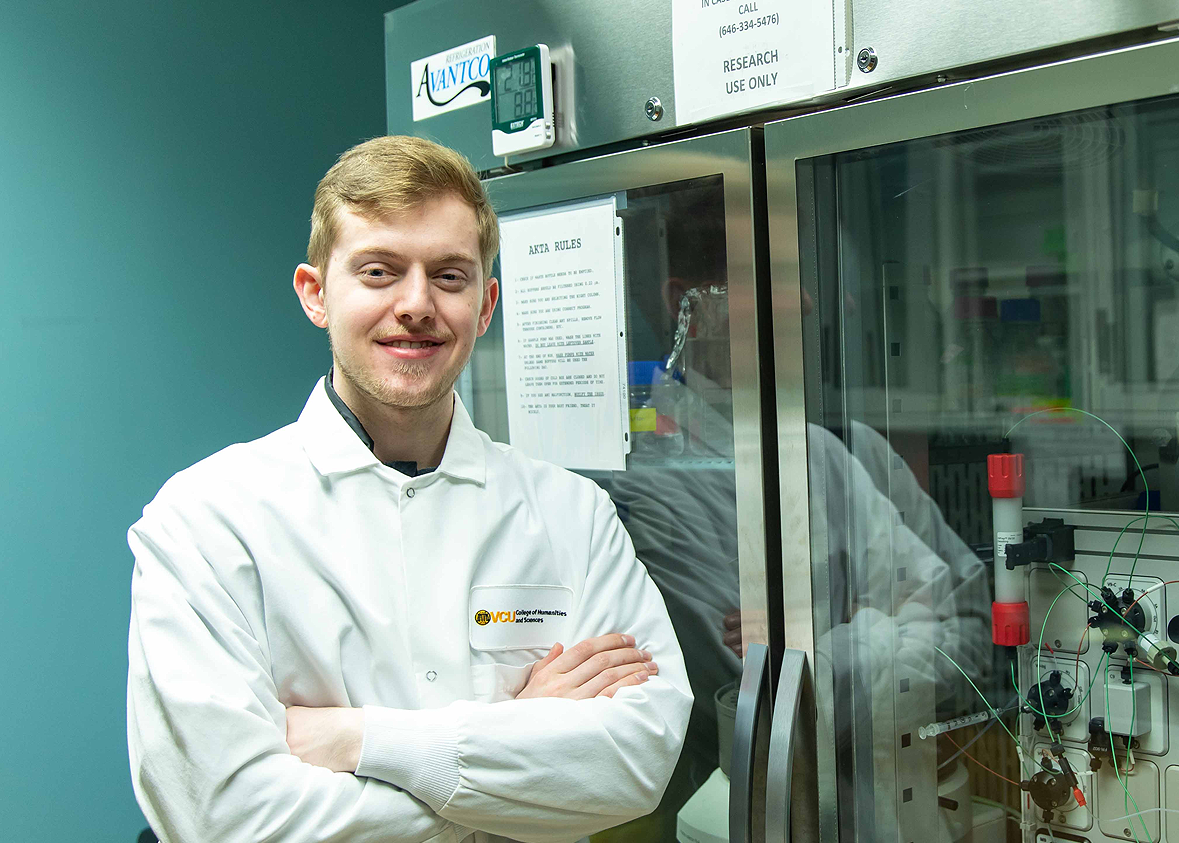
M.S. in Physiology & Biophysics
In this program, students investigate how the body functions at the molecular, cellular, and systems levels. Core research areas include structural biology, molecular biophysics, neurophysiology, cardiovascular and gastrointestinal physiology, and signal transduction. Employing both experimental and computational approaches—such as X-ray crystallography and Cryo-electron microscopy—students examine ion channel function, heat-shock proteins, and viral vectors for gene therapy, applying these insights to fundamental questions in health and disease.
Financial Support
Due to limited resources, M.S. students do not typically receive direct financial support for tuition and fees, but M.S. students are eligible for travel grants from the School of Medicine and the Graduate School. Please see VCU Student Accounting for the most recent information on tuition and fees. U.S. citizens and permanent residents should contact the School of Medicine Financial Aid Office for information on financial aid.
VCU School of Medicine Office of Financial AidLife in Richmond
We encourage our students to maintain a healthy work-life balance, and Richmond is a wonderful place to engage in a well-rounded lifestyle. As a mid-sized city with a metropolitan population of 1.3 million, Richmond features vibrant neighborhoods that offer distinct, diverse experiences, with no shortage of art galleries, museums, music venues, restaurants, breweries and parks.