Remote radiologists help address national staffing shortage
For Department of Radiology alumni, the remote faculty model provides a way to give back to the institution where they trained.
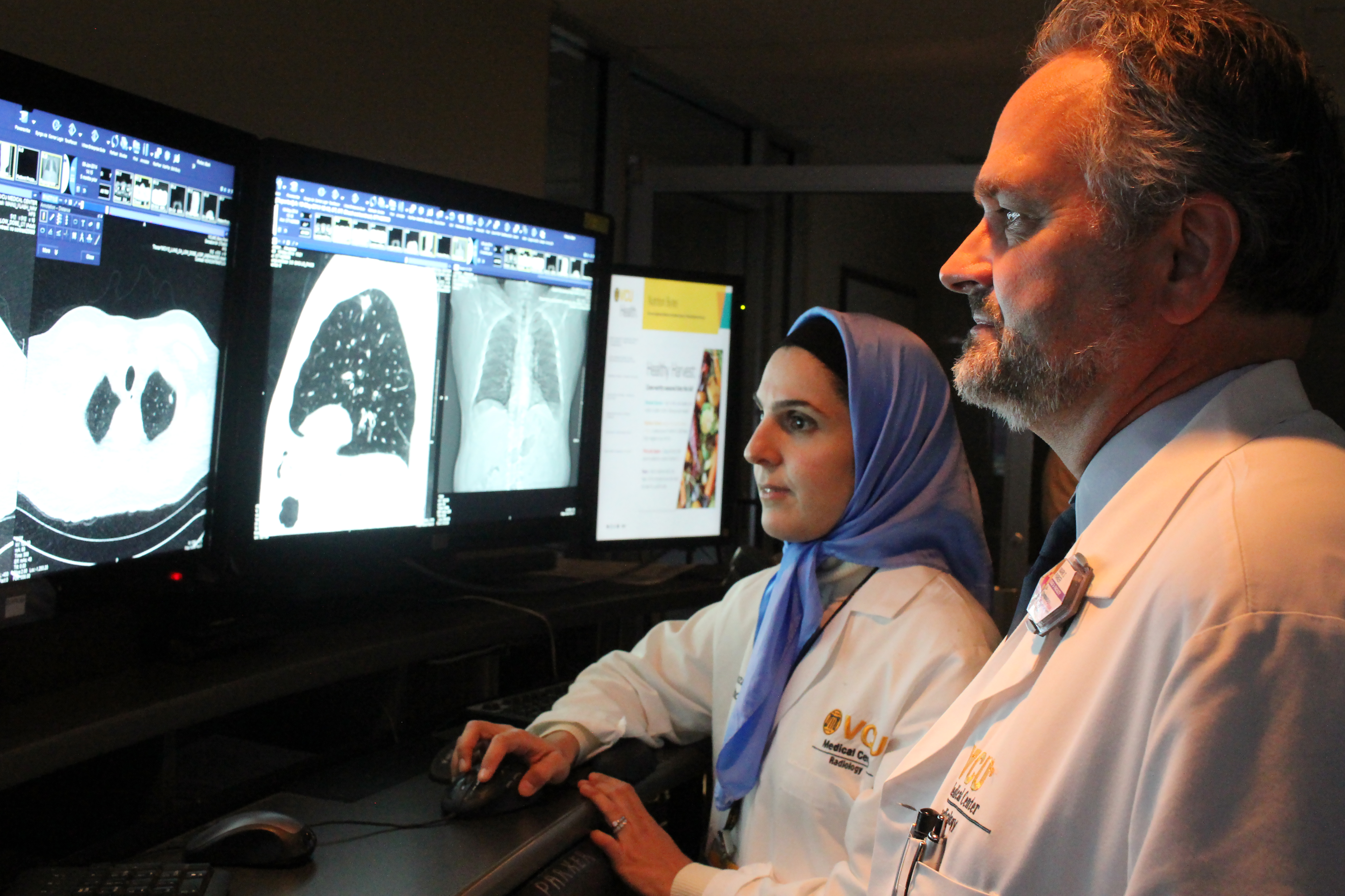
Remote radiology faculty are becoming a permanent and strategic part of academic medicine, and the VCU Department of Radiology is leading the way.
.jpg)
Ann S. Fulcher, M.D.
Physicians are ordering more and more tests for America’s aging patients.
Meanwhile, radiologists are getting older, too, with many retiring early because of the crush of work and physician burnout.
Training capacity in the country’s radiology residency programs is limited.
It’s led to what VCU Department of Radiology Chair Ann S. Fulcher, M.D., calls “a perfect storm” for staffing.
But in the School of Medicine, the future isn’t as ominous as it is in much of the nation. The department looked beyond its borders — and even into its past — to create an innovative solution: remote radiologists. Now its roster includes several out-of-state faculty members.
A modern solution
“Teleradiology” isn’t a new concept. Many companies contract radiologists to private facilities. However, at academic institutions, it’s a fairly novel idea. According to Fulcher, who completed medical school as well as residency training on the MCV Campus, it’s an approach that allows the department to meet its needs in clinical settings and in the classroom, often with remote faculty who already have a connection to the School of Medicine and the department.
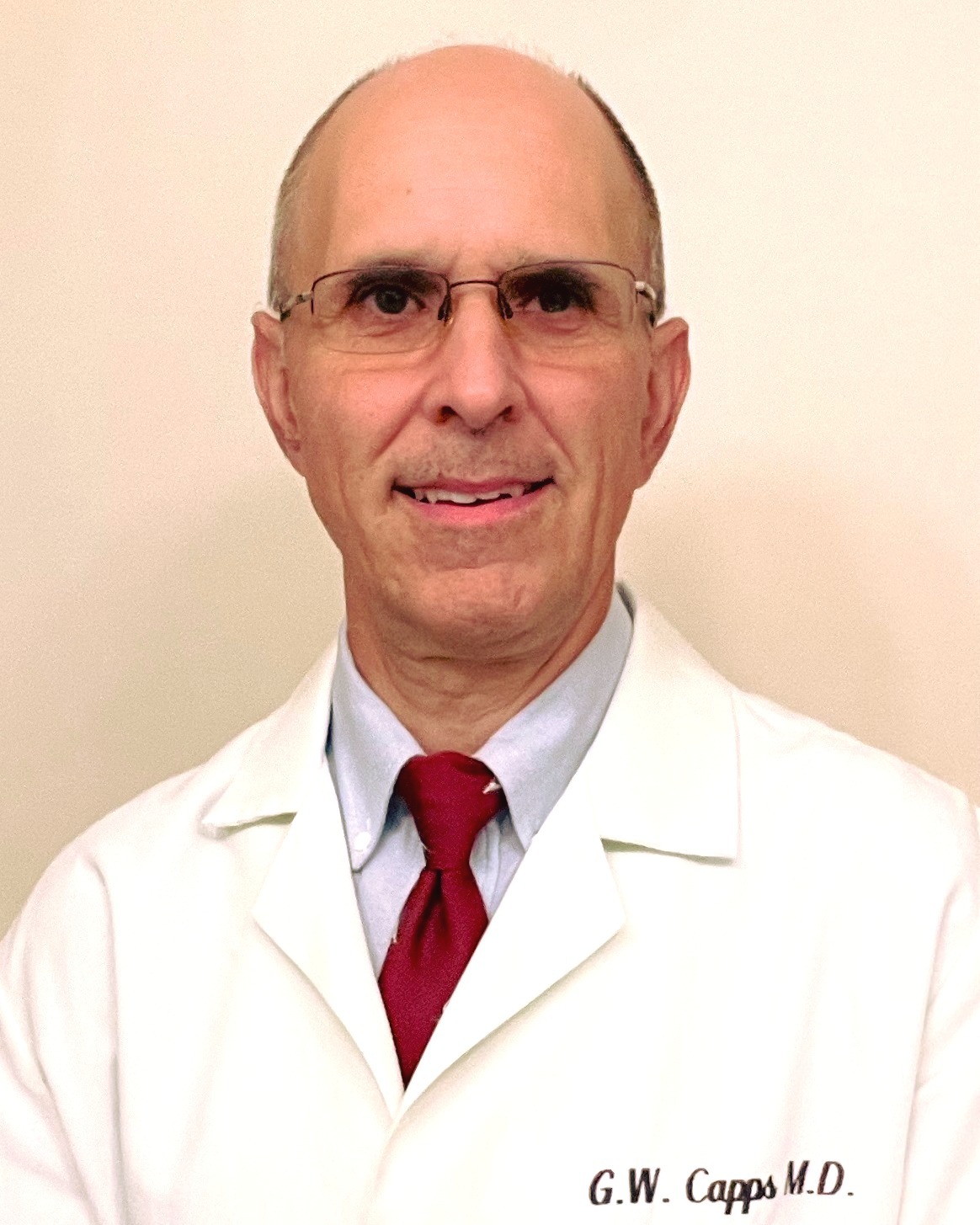
Gerald W. Capps, M.D.
Like Fulcher, Gerald W. Capps, M.D., completed all of his medical training at VCU. In fact, he was the first fellow Fulcher trained. He then worked for decades in North Carolina at a practice that — like many others — eventually merged with a larger entity. While attending a radiology reunion in 2023, he told Fulcher he wasn’t sure of the next step his career would take.
“Well, why don't you come work with us?” Fulcher asked, according to Capps, who found his next calling.
For alumni, the remote faculty model can be an impactful way to give back to the institution where they were trained — without needing to uproot their lives or relocate.
Capps, who mostly works remotely, said working with residents has been the most enjoyable part of the job. “After years of private practice, it’s rewarding to interact with residents and help them grow. It’s great to be able to give back and help them like I was helped 30 years ago.”
Jacob Davis, M.D., recently joined VCU’s radiology faculty after completing his medical school, residency and fellowship training on the MCV Campus. Though he works on site, he appreciates the ability to get more eyes on complicated cases via teleradiology. “It’s nice to be able to collaborate quickly,” he said.
Looking ahead
Radiology lends itself well to remote work: Images can be read, consultations conducted and lectures given virtually with no compromise in quality. Because much of the department had worked partially remote during the pandemic, the Picture Archiving and Communication Systems team had experience addressing remote radiology needs.
Led by Doug Ro, Ph.D., the PACS team has been critical to the success of the new program, along with longtime administrator Sherry Elliott, who oversaw the multistep process to set up radiologists to read across state lines — including securing a business license and malpractice insurance, plus credentialing and setting up workstations in the radiologists’ home.
Fulcher also expressed gratitude for School of Medicine Dean Arturo P. Saavedra, M.D., Ph.D., VCU Health CEO and Senior Vice President for Health Sciences Marlon Levy, M.D., additional health system leaders and MCV Physicians, who all have been integral to the program’s success.
One area of particular need, Fulcher said, is for emergency department radiologists, who often work non-traditional hours.
She predicts as health care evolves, so, too, will workforce models. Remote radiology faculty are becoming a permanent and strategic part of academic medicine, as Fulcher explained when she served on a panel at the August meeting of the Virginia Radiological Society, formerly known as the Virginia chapter of the American College of Radiology.
It’s all the sweeter when she can tap alumni to do the job.
“We have an extraordinarily good relationship with our radiology residency and fellowship alumni,” Fulcher said. “Like I felt when I completed my medical training here, they leave very happy, and quite frankly, they get happier as they enter into practice because then it becomes apparent to them how excellent their training was. They're very loyal to the mothership, as I call it, and we are very loyal to them.”